The Dark Side of Debunking the Paranormal: Navigating Doxxing and Legal Threats

Debunking paranormal claims often feels like a public service to many skeptics and investigators. Yet, behind the scenes, this work can expose individuals to serious risks. From doxxing and threats to unfair copyright strikes and invasive filming of private property, debunkers face challenges few outsiders realize. This post explores the darker side of paranormal debunking, sharing real examples and practical advice for those who want to stay safe while seeking the truth.

The Risks of Being a Paranormal Debunker
Paranormal debunkers often attract attention from passionate believers who may not appreciate skepticism, or worse from fakers that want to protect the grift. This attention can quickly turn hostile. Here are some common risks debunkers face:
Doxxing: Personal information such as home addresses, phone numbers, or workplaces are shared online without consent. This can lead to harassment or worse.
Threats: Verbal threats or intimidation attempts, sometimes escalating to physical threats. Death threats have been issued to numerous debunkers.
Legal Threats: Accusations of defamation or copyright infringement used to intimidate or silence debunkers.
Unfair Copyright Strikes: Content creators may face false copyright claims on platforms like YouTube, leading to demonetization or removal of videos.
Invasive Filming: Some individuals film debunkers’ private property or homes, violating privacy and increasing anxiety.
These risks create a hostile environment that can discourage honest investigation and public discussion.
Why Paranormal Debunkers Are Targeted
Paranormal topics often involve deeply held beliefs. When debunkers challenge these beliefs, it can feel like a personal attack to some. This emotional response fuels aggressive behavior. Additionally, some paranormal content creators rely on mystery and fear to attract viewers, so debunking threatens their livelihood, But, catching them faking, that opens up a whole new can of worms.
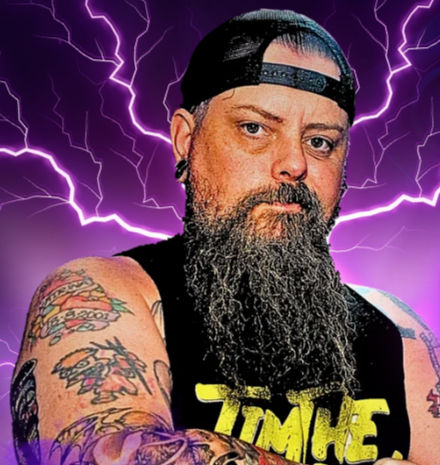
My YouTube channel which has a large following for a debunking channel. One of the top 3 most searched questions about my channel is “What is Beardo Gets Scared real name,” showing how curiosity about the person behind the content can lead to doxxing attempts.
Real Examples of Harassment and Legal Challenges
Doxxing and Threats
One debunker who wears a mask and uses a nickname for privacy had his name address and credit card details leaked, potentially by a "haunted location" owner, the result was blackmail threats, "say my name again and I'll show your face to the world" and then proceeded to use the debunkers first name.
Copyright Strikes
My channel Beardo Gets Scared and by association my second channel Beardo's Man Cave were nearly wiped out in December, due to false copyright strikes, 3 strikes on YouTube and you are gone, i was struck 6 times in 1 day by 2 channels. One of those channels had asked me to review them but didn't like the findings.
Filming Private Property
One of the worst things I have experienced is someone I debunked, found my home address, drove to my address filmed it and said on video that is Beardo's house, then forwarded the video to friends in a group chat.
How to Protect Yourself as a Paranormal Debunker
While risks exist, there are ways to reduce exposure and protect your privacy:
Limit Personal Information Online
Avoid sharing your home address, phone number, or other sensitive details on public platforms.
Use Privacy Settings
Adjust social media and video platform settings to restrict who can see your content and personal info. Register a business address with your accountant if they offer that service, set up a PO Box for fanmail and gifting.
Document Threats
Keep records of any harassment or threats. This can be useful if legal action becomes necessary. Don't take the risk, call the police everytime!
Consult Legal Advice
If you face legal threats or copyright strikes, seek professional advice to understand your rights.
Increase Physical Security
Consider security cameras, alarms, or other measures if you feel unsafe at home.
Engage Supportive Communities
Connect with other debunkers or skeptics who understand the challenges and can offer advice or support. And publically call out these crimes and invasions of privacy, you have a right to feel safe and others have the right to know what people are doing off camera.
The Role of Platforms and Communities
Online platforms have a responsibility to protect creators from harassment and false claims. Improved moderation and clearer copyright policies can help. If you are doxed by a content creator on any platform, inform that platform.
Understanding the Search Interest in Beardo Gets Scared
The curiosity around “What is Beardo Gets Scared real name” highlights a common issue for paranormal content creators and debunkers alike. Fans and critics want to know who is behind the content, sometimes crossing boundaries into doxxing. This shows the fine line between public interest and privacy invasion.
Final Thoughts
Debunking paranormal claims is valuable but comes with serious risks. Doxxing, threats, legal intimidation, and privacy invasions are real dangers that require awareness and preparation. By protecting personal information, documenting harassment, and seeking support, debunkers can continue their work safely.
If you are involved in paranormal investigation or debunking, take steps to safeguard your privacy and well-being. The pursuit of truth should not come at the cost of your safety, mental health or family life.
Comments